Source high-accuracy wood thread machine for furniture, pipes, and fittings
Explore 30 listings for the high-accuracy wood thread machine suitable for furniture, pipes, and fittings. Buyers can compare specifications, prices, and customization options from verified suppliers in Hebei and Xingtai, China.
Key considerations
Products List
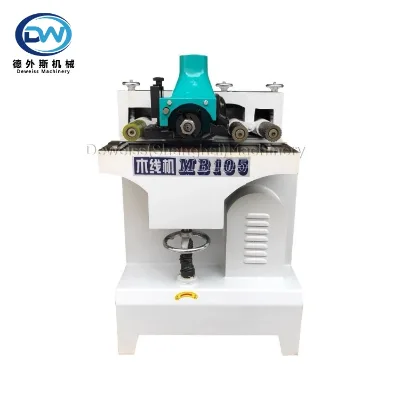


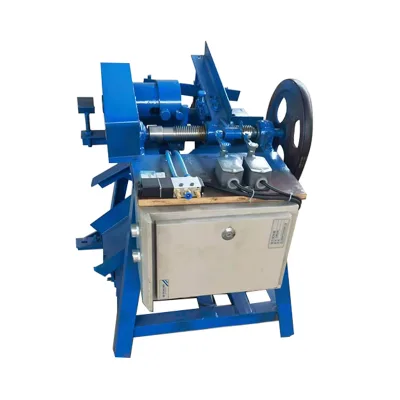

High Accuracy Automatic Thread Rolling Machine for Fasteners Quality Detection of Machine
$4500.00 - $6000.00
MOQ: 1 Pieces


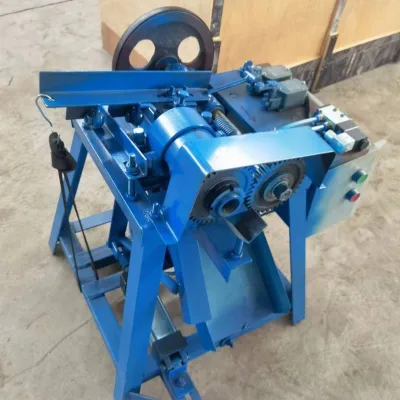


Wood Sticks Cutting Machine Wooden Rod Threading Machine with High Efficiency
$600.00 - $1800.00
MOQ: 1 Sets
Comprehensive Sourcing Guide
Strategic Sourcing Guide for High-Accuracy Wood Thread Machines
The procurement of specialized industrial machinery, specifically high-accuracy wood thread machines, requires a rigorous approach that balances technical precision with supply chain reliability. While the market offers a diverse array of equipment, the term "wood thread machine" often intersects with broader categories of metalworking and threading operations, such as screw threading and rolling machines. Buyers must navigate this landscape by focusing on verifiable specifications, compliance standards, and operational capabilities rather than marketing generalizations. This guide outlines the essential factors for sourcing such equipment, drawing on observed market data regarding model numbers, power sources, and certification requirements to ensure a sound investment.
Technical Specifications and Operational Capabilities
When evaluating a high-accuracy machine for thread production, the primary focus must be on the specific operational parameters that define its capability. The market data indicates a variety of model numbers, such as the DW-W04, Z28-250, Z28-150, and Z-28-215, which suggests that buyers will encounter distinct configurations rather than a single standardized product. A critical distinction in these machines is the automatic grade, which ranges from fully automatic to semi-automatic. This classification directly impacts the labor requirements and the consistency of the output.
Power sources are another fundamental technical variable. Observations show that available units may utilize either hydraulic pressure or electric power. Hydraulic systems often provide the high force necessary for heavy-duty forging or rolling operations, while electric systems might be preferred for precision threading tasks requiring finer control. The observed power specifications include a range of 380-440V, 3-phase, which is standard for industrial environments but requires verification against the buyer's local electrical infrastructure. Furthermore, the speed of operation is a key performance indicator; some units are rated at approximately 60 pieces per minute, a figure that should be cross-referenced with the specific production volume requirements of the facility.
The physical dimensions of the machinery are equally critical for facility planning. Standard packaging and dimensions vary significantly across models. For instance, one observed standard is 153016801630, while others measure 170018501545mm or 260021001600mm. These variations necessitate a thorough assessment of the available floor space and ceiling height in the intended manufacturing location. Buyers must also consider the weight of the equipment, with net weights reaching up to 2500kg, which influences the requirements for flooring reinforcement and material handling equipment during installation.
Compliance and Certification Verification
In the global machinery market, compliance with international standards is not merely a formality but a prerequisite for safety and market access. The observed data highlights certifications such as CE and ISO as common attributes for these machines. The CE marking indicates conformity with health, safety, and environmental protection standards for products sold within the European Economic Area, while ISO certification suggests adherence to quality management principles. However, buyers must treat these certifications as observations of specific listings rather than universal guarantees for every product in the category.
It is essential to verify the specific version of the standards met. While ISO9001 is frequently cited in general industry contexts, the specific certification status of a machine should be confirmed through the supplier's documentation. The presence of a "CE,ISO" label on a product listing should prompt a request for the actual certificate numbers and the issuing body. This verification process ensures that the machine meets the regulatory requirements of the destination country. Additionally, the origin of the machinery, often listed as Hebei, Xingtai, or generally China, provides context for the manufacturing ecosystem but does not inherently guarantee quality. Buyers should rely on the certification documents rather than the geographic origin alone to assess compliance.
Cost Drivers and Pricing Structures
Understanding the cost drivers for high-accuracy wood thread machines involves analyzing several variables beyond the sticker price. The observed price range in the market is extensive, spanning from 1 to 32,000 USD. This wide disparity reflects differences in machine capacity, automation levels, brand reputation, and included features. Factors such as the "Factorydirect Supply Price" suggest that sourcing directly from the manufacturer can reduce costs, but this must be weighed against potential logistics and after-sales support expenses.
The minimum order quantity (MOQ) is another significant cost factor, with observed ranges from 1 to 500 units. For buyers seeking a single unit for pilot testing or small-scale production, an MOQ of 1 is advantageous. However, for large-scale operations, negotiating a lower unit price through a higher volume order may be necessary. The packaging type, ranging from standard packaging to wooden crates, also impacts the total landed cost. Wooden crate packing, while more expensive, offers superior protection for heavy machinery during international shipping, potentially reducing the risk of damage and associated replacement costs.
Typical Applications and Production Context
The application of these machines extends beyond simple wood threading, often encompassing metal forging and screw production. The observed attributes include "Forging Forming Method: Mold Forging" and "Type: Rolling Machine," indicating that the equipment is versatile and capable of handling various materials. The "Diameter Range" of 4-8mm and "Max Thread Length" of 40mm provide specific constraints for the types of fasteners or components that can be produced. These specifications are crucial for determining if the machine aligns with the buyer's product line.
The "Operation Traning" requirement, noted as both at the seller and buyer sites for not less than 7 days, highlights the complexity of operating high-accuracy machinery. This training period is essential for ensuring that operators can maximize the machine's efficiency and maintain the required precision. The "Advantage" of being "Easy to Maintenance" and "Work Flexible" suggests that these machines are designed for environments where adaptability and uptime are critical. Whether used for "Rolling Machine" applications or "Threading Machine" tasks, the ability to handle different production runs without extensive reconfiguration is a valuable feature for modern manufacturing facilities.
Supplier Evaluation and Origin Considerations
Evaluating suppliers requires a deep dive into their operational history and geographical location. The observed data points to origins in Hebei and Xingtai, China, regions known for their manufacturing capabilities. While the brand "Ronen Wuhe" is mentioned in the context of specific models like the "RONEN-Screw Threading Machine," buyers should not limit their search to a single brand. Instead, the focus should be on the supplier's ability to provide "Solutions Within 24 Hours" for after-sales support. This responsiveness is a critical metric for minimizing downtime in a production environment.
The "Condition" of the machines is listed as "New," which is a standard expectation for new procurement. However, buyers must verify the "Technical Merit," such as the use of "Taiwan Technology," which may imply a specific level of engineering quality. The "Feature" of "Automation" and "High Efficiency" are desirable traits, but they must be substantiated by performance data. Suppliers should be asked to provide evidence of these claims, such as test results or case studies from existing clients. The "Customization" availability, noted as both "Available" and "Non-Customized" in different listings, indicates that buyers should clarify their specific needs early in the negotiation process to ensure the supplier can meet them.
Quality Control and Long-Term Procurement
Implementing a robust quality control (QC) strategy is vital for ensuring the longevity and performance of the acquired machinery. The "Warranty" period, observed as 1 Year or 12 Months, provides a baseline for manufacturer support. However, buyers should consider the long-term implications of this warranty, including the availability of spare parts and the scope of coverage. The "Merit" of "Running Steadily" is a qualitative claim that should be validated through trial runs or references from other users.
Long-term procurement considerations also include the "Delivery Time," which ranges from "in Stock" to "20-45 Working Days." This variability affects production planning and inventory management. Buyers must align their order timelines with their production schedules to avoid bottlenecks. The "Standard Packaging" and "Standard Wooden Crate" options should be evaluated based on the shipping route and the fragility of the equipment. Finally, the "Advantage" of "High Efficiency" and "Automation" should be viewed as ongoing benefits that contribute to the total cost of ownership, reducing labor costs and increasing output over the machine's lifespan.
Comparative Analysis of Machine Attributes
To facilitate a clearer decision-making process, the following table summarizes key attributes observed in the market for high-accuracy threading and forging machines. This comparison helps buyers identify the specific configuration that best matches their operational needs.
| Attribute Category | Observed Options | Key Considerations for Buyers |
|---|---|---|
| Model Number | DW-W04, Z28-250, Z28-150, Z-28-215, RONEN-Screw | Verify compatibility with specific thread diameters and lengths. |
| Automatic Grade | Automatic, Semi-Automatic | Assess labor requirements and desired production consistency. |
| Power Source | Hydraulic Pressure, Electric (380-440V, 3-phase) | Ensure facility infrastructure supports the required voltage and phase. |
| Dimensions | 153016801630 to 260021001600mm | Confirm floor space and ceiling height availability. |
| Certification | CE, ISO | Request specific certificate numbers and issuing bodies for verification. |
| Warranty | 1 Year / 12 Months | Clarify coverage scope and spare parts availability. |
| Delivery Time | In Stock, 20-45 Working Days | Align with production schedules and inventory planning. |
| Origin | Hebei, Xingtai, China | Consider logistics costs and lead times associated with the region. |
In conclusion, sourcing a high-accuracy wood thread machine involves a meticulous evaluation of technical specifications, compliance standards, and supplier capabilities. By focusing on verifiable data and avoiding unverified claims, buyers can make informed decisions that ensure operational efficiency and long-term value. The diversity of models and configurations available in the market offers flexibility, but it also demands a disciplined approach to procurement to select the right equipment for the specific application.
FAQs
What certifications do high-accuracy wood thread machines typically have?
These machines often carry CE and ISO certifications as observed in product listings. Buyers should verify specific certificate numbers and issuing bodies to ensure compliance with destination country regulations before purchase.
How long is the warranty period for these industrial machines?
The standard warranty period is typically 1 year or 12 months for new units. This coverage provides a baseline for manufacturer support, though buyers must clarify the scope and spare parts availability separately.
Which power sources are available for these threading and forging machines?
Available units may utilize either hydraulic pressure or electric power sources. Electric models often operate at 380-440V, 3-phase, requiring verification against the buyer's local electrical infrastructure before installation.
Can buyers customize the specifications of these machines?
Customization is available for some models, while others are listed as non-customized. Buyers must clarify their specific needs early in the negotiation process to ensure the supplier can meet their unique requirements.
What is the typical delivery time for these machines?
Delivery times range from being in stock to 20-45 working days depending on the model. This variability affects production planning, so buyers must align their order timelines with their facility schedules.
How do dimensions vary across different machine models?
Physical dimensions vary significantly, with observed standards ranging from 1530*1680*1630mm to 2600*2100*1600mm. Buyers must assess available floor space and ceiling height to ensure the equipment fits their manufacturing location.